Certified FORTIFIED Roofer in Dallas-Fort Worth
A stronger roof system built to the IBHS FORTIFIED Roof standard, checked by an independent evaluator.
Book a Free Inspection Call (469) 771-0988What is a FORTIFIED Roof?
FORTIFIED is a program of the Insurance Institute for Business & Home Safety (IBHS), the nonprofit research group funded by the insurance industry. It is a building standard, not a brand of shingle. Zeus Exteriors installs FORTIFIED Roof. The program focuses on the roof because IBHS reports that up to 92% of post-catastrophe insurance claims include roof damage.
A FORTIFIED Roof works with most roof covers, including asphalt shingles, metal, tile and low-slope systems. You can also add the optional Hail Supplement, which matters a lot in DFW.
FORTIFIED Roof requirements: how it differs from a regular roof
A sealed roof deck
If wind tears off shingles, rain pours through the gaps between deck boards. FORTIFIED requires those seams to be sealed. IBHS testing shows that sealing the deck can cut water getting in by up to 95%.
Ring-shank nails in an enhanced pattern
FORTIFIED replaces common smooth nails with 8d ring-shank nails, spaced closer together. IBHS testing shows this can roughly double the uplift the roof deck can withstand.
Locked-down edges and drip edge
Roof failures often start at the edge, where wind gets under the roof. FORTIFIED requires a wider drip edge and a fully adhered starter strip so the edge works as one stronger system.
Tested, rated roof covers
Asphalt shingles must carry the top wind ratings (ASTM D3161 Class F or ASTM D7158 Class H). Metal, tile and low-slope systems must be tested for the design pressures at your home's location.
Impact-rated shingles for the optional Hail Supplement
For the Hail Supplement, asphalt shingles must be rated Good or Excellent in the IBHS hail impact ratings. IBHS says these outperform typical Class 4 shingles against realistic hailstones up to 2 inches. Metal and low-slope systems need UL 2218 Class 4, and tile needs FM 4473 Class 4. For homeowners who want the Hail Supplement, Zeus installs Class 4 impact-rated shingles: Armor Shield or UHDZ. Zeus's standard shingle is GAF Timberline HDZ, a Class 3 shingle.
Wind- and rain-resistant attic vents
Storm winds can pull ordinary vents loose or blow rain sideways through them. FORTIFIED calls for attic vents rated to resist both wind and wind-driven rain.
Deck checks before anything goes on
On a re-roof, all old roofing comes off. The existing deck must be at least 7/16 inch thick on rafters no more than 24 inches apart, or it gets re-decked.
FORTIFIED re-roof vs. new construction
Most homeowners get a FORTIFIED Roof when they replace an existing roof. IBHS calls this a New Roof designation: the new roof system must be installed and verified to the standard, and the evaluation file must reach IBHS within a year of completion. Builders can also build new homes to FORTIFIED from the start. A separate Existing Roof designation exists for roofs that are still in good shape with more than five years of life left, and is mostly used for renewals.
How to get a FORTIFIED certificate, step by step
- Free inspection. We look at your current roof and decking and tell you whether a FORTIFIED re-roof makes sense.
- A certified FORTIFIED evaluator is engaged before tear-off. IBHS requires this for a designation: the sealed deck and nailing get covered up, so they have to be documented during the job. The evaluator is an independent, third-party inspector trained by IBHS, not a Zeus employee. Zeus Exteriors books the evaluator and pays the evaluation fee, so you don't pay it separately.
- Site visits. For an existing home, the evaluator makes at least two site visits, usually when materials are delivered and after the sealed deck and other materials are installed.
- Documentation. Photos stamped with the date and location (or the address), product labels and test reports are collected as each step is completed. Our crew completes and signs the IBHS Roofing Compliance Forms.
- IBHS review. The evaluator submits the file to IBHS, and IBHS auditors check it against the standard.
- Certificate. IBHS issues a FORTIFIED designation certificate with a FORTIFIED ID number. The evaluator delivers it to you. It is valid for 5 years and can be renewed.
In DFW, the typical FORTIFIED timeline is 6 to 8 weeks.
Benefits of a FORTIFIED Roof in Texas, including insurance discounts
Better wind and hail resilience
North Texas gets straight-line winds, tornadoes and some of the country's worst hail. The FORTIFIED upgrades go after the ways roofs actually fail: lifted edges, peeled covers, decks pulling loose and water coming in through an exposed deck.
FORTIFIED roof insurance discounts in Texas
On September 16, 2026, the Texas Department of Insurance (TDI) issued Commissioner's Bulletin B-0008-26. It encourages home insurers to offer "meaningful, actuarially supported" premium discounts for homes built or retrofitted to IBHS FORTIFIED Home and for impact-resistant roofing. It also asks insurers not to make homeowners send redundant inspection forms when they already have a certificate. The bulletin does not require a discount or set an amount, and each insurer has to file its own credit with TDI. Ask your insurer about FORTIFIED discounts: ask your insurance agent, in writing, what credit your company gives for a FORTIFIED Roof certificate, and compare companies. TDI has also recommended law changes for the legislative session that starts in January 2027.
We can't promise a specific discount. Your insurer sets it.
Resale value
The designation belongs to the property, not the owner, so it transfers when you sell. A University of Alabama study of coastal Alabama home sales found FORTIFIED-designated homes sold for about 6.8% more than similar homes. That study was not done in Texas, but the certificate gives buyers documented proof of how your roof was built.
Proof, not promises
Every FORTIFIED Roof is checked by an independent evaluator and reviewed by IBHS. You get a certificate, not just a contractor's word.
Why choose Zeus Exteriors for a FORTIFIED Roof in DFW
- Certified FORTIFIED Roofer, listed by IBHS. Zeus Exteriors appears in the IBHS FORTIFIED Provider Network directory as a company "providing services with FORTIFIED certified Roofers," serving homeowners in Texas, with Michael Sicilian as the provider. See our FORTIFIED directory listing.
- RCAT licensed and GAF Master Elite. Zeus Exteriors is RCAT licensed and a GAF Master Elite contractor.
- Family-owned in Farmers Branch at 2815 Valley View Ln, Suite 210, serving DFW, including Plano and Irving.
- 5.0 stars from 183 Google reviews.
- Retail and insurance work. If your roof was damaged by a storm, see Storm Damage & Insurance Claims. On an insurance claim, some insurance companies will pay for the FORTIFIED upgrade as an incurred cost, but you must check with your insurance company before the project starts.
- Shingle options. On our recent Allen job we used GAF Timberline HDZ. Our standard shingle is GAF Timberline HDZ, a Class 3 shingle. For homeowners who want the optional Hail Supplement, Class 4 impact-rated shingles are the option: Zeus uses Armor Shield or UHDZ.
Featured project: an IBHS-certified FORTIFIED Roof in Allen, TX
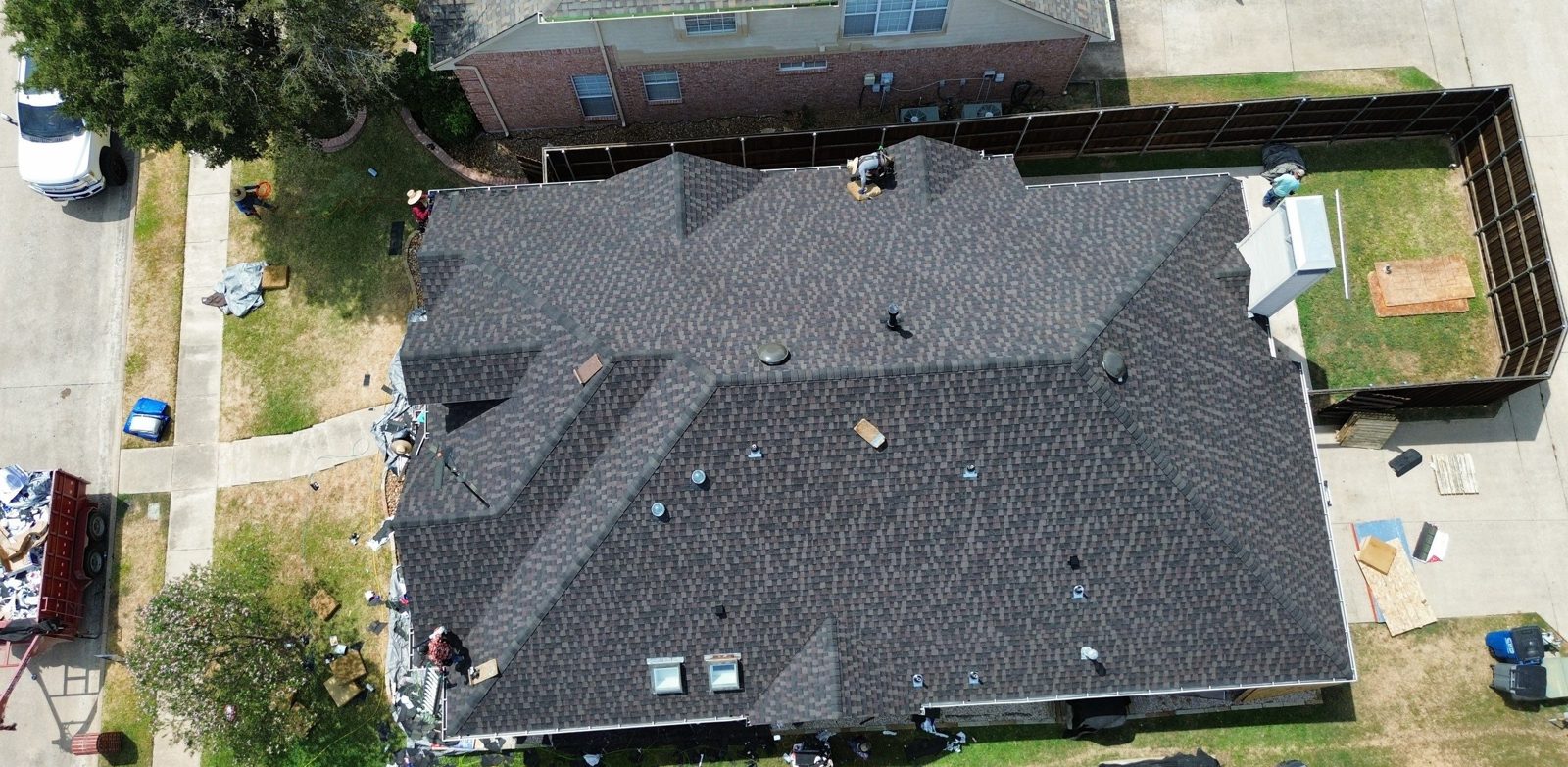
In August 2026 our crew re-roofed a home in Allen, TX to the FORTIFIED Roof standard:
- Tore everything off down to the deck and checked every board
- Sealed the roof deck seams
- Installed Zeus-branded GAF FeltBuster synthetic underlayment over the whole deck
- Installed GAF StormGuard ice & water shield in the valleys
- Finished with GAF Timberline HDZ shingles
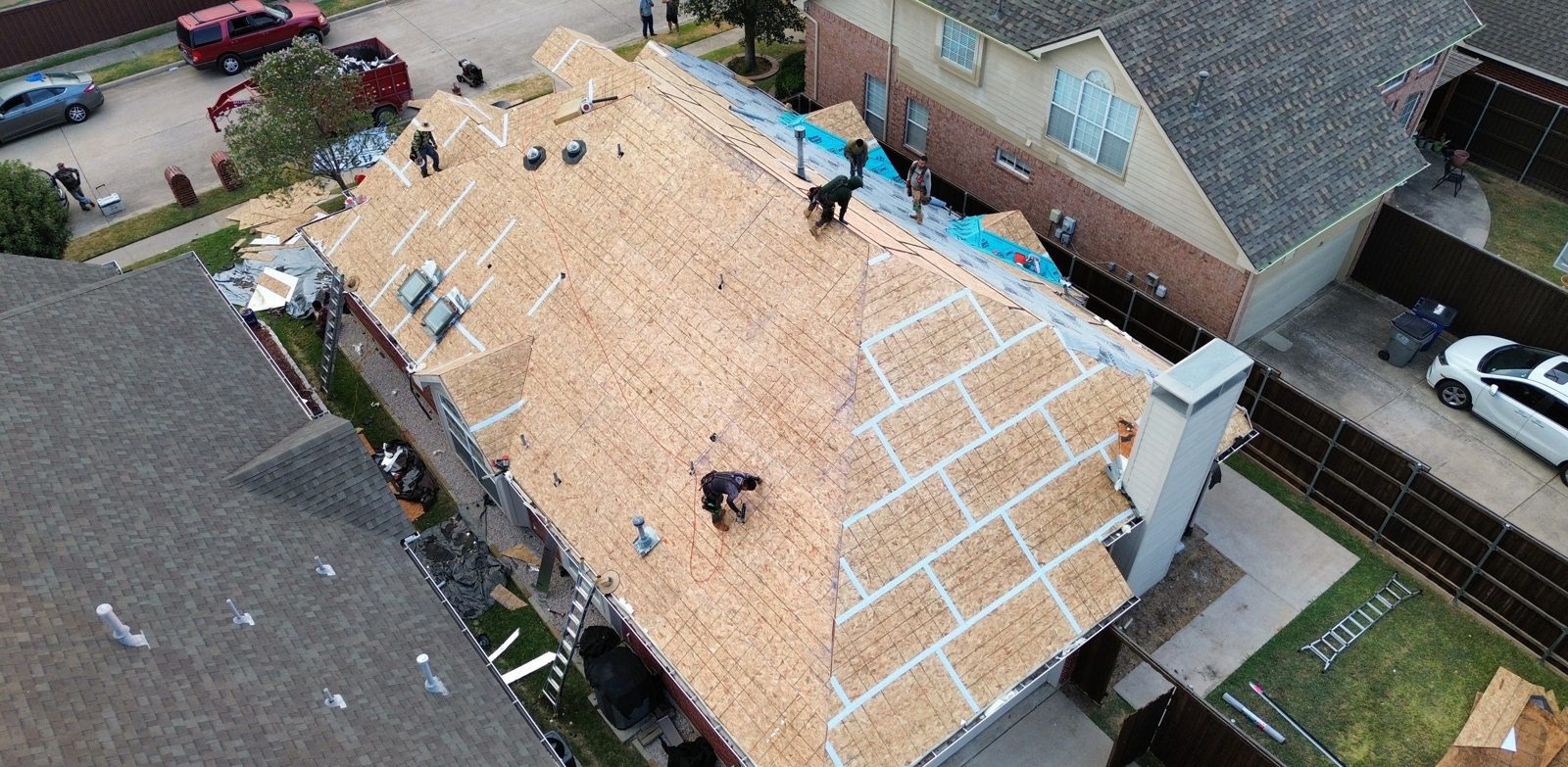
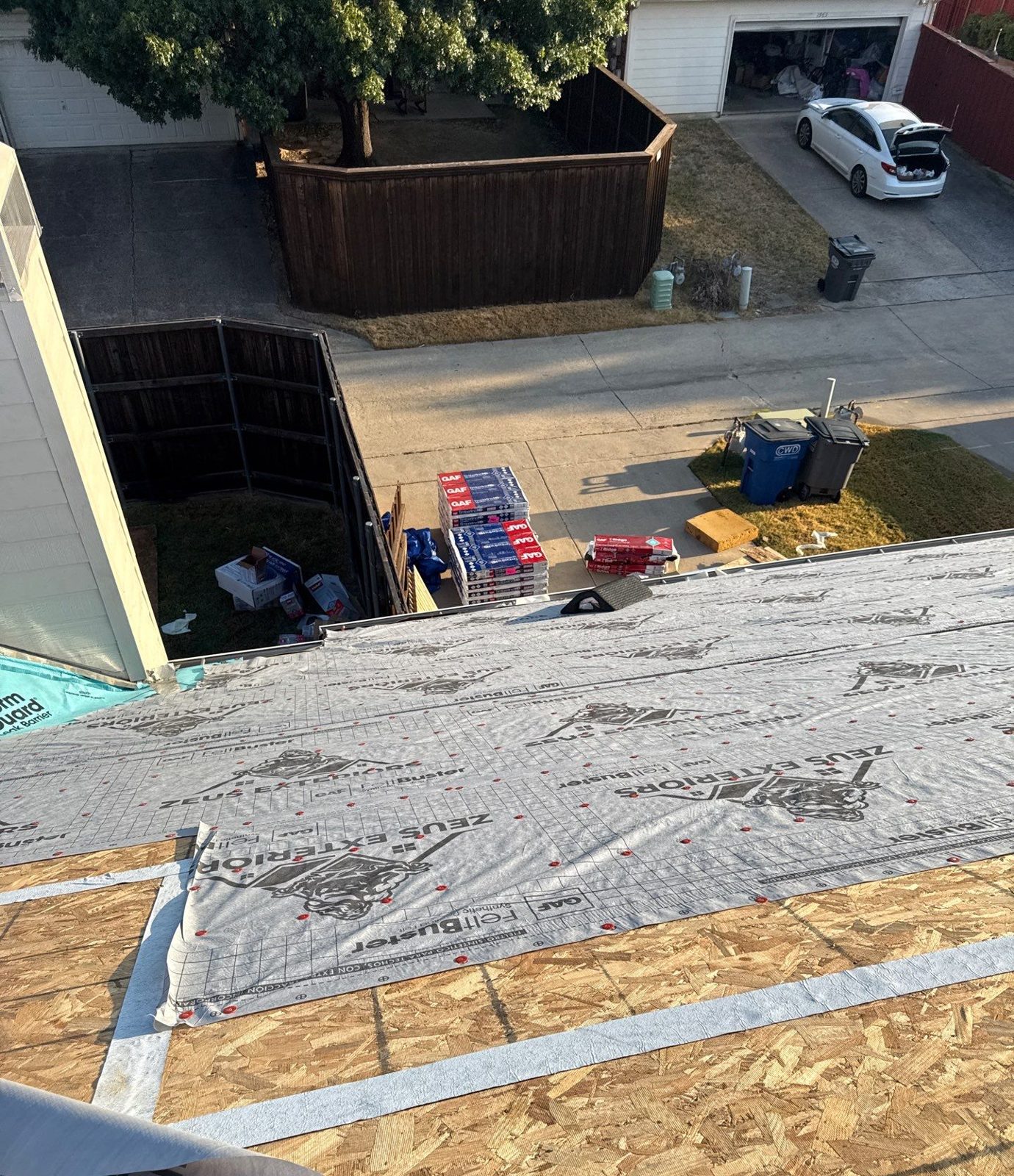
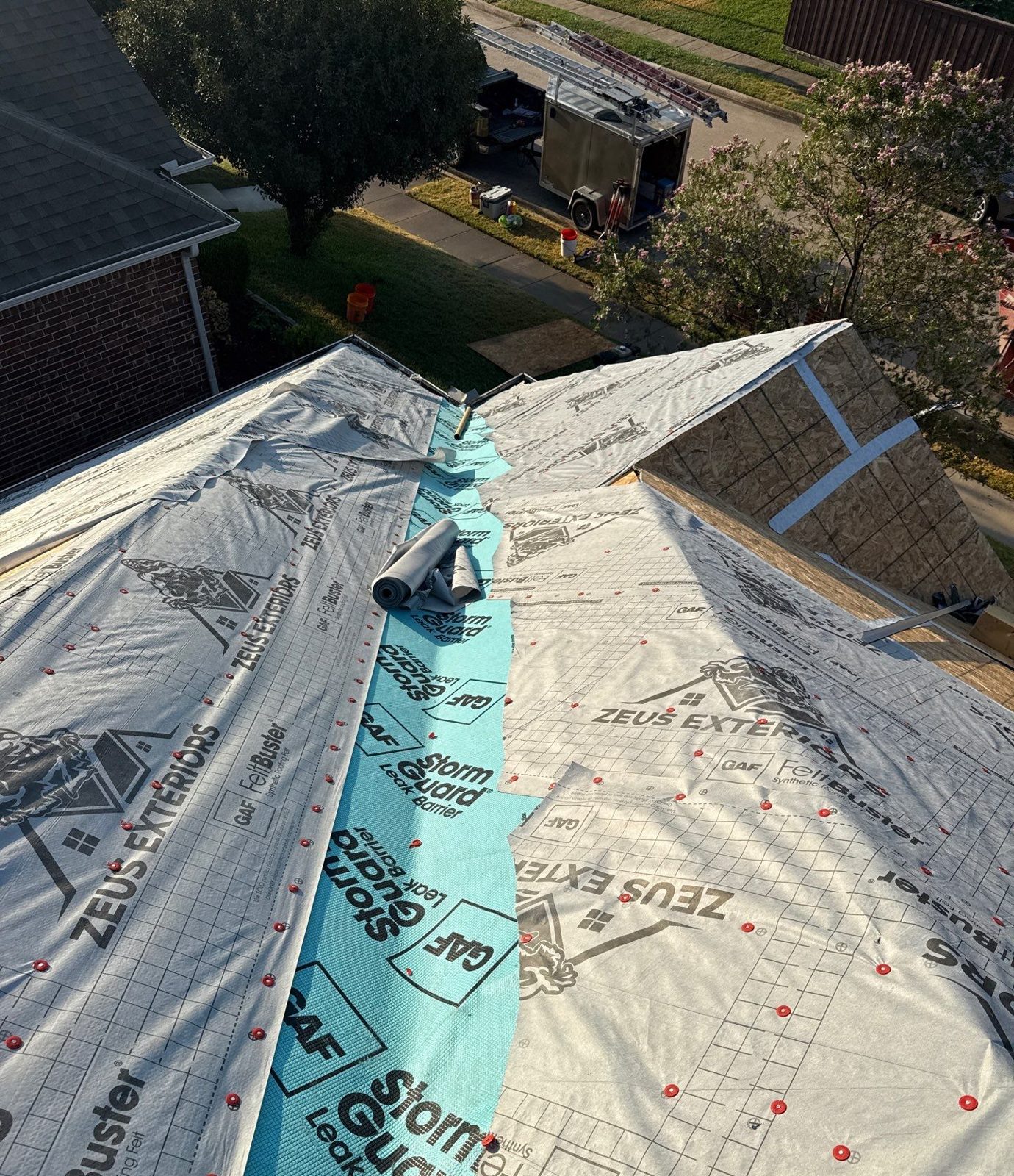
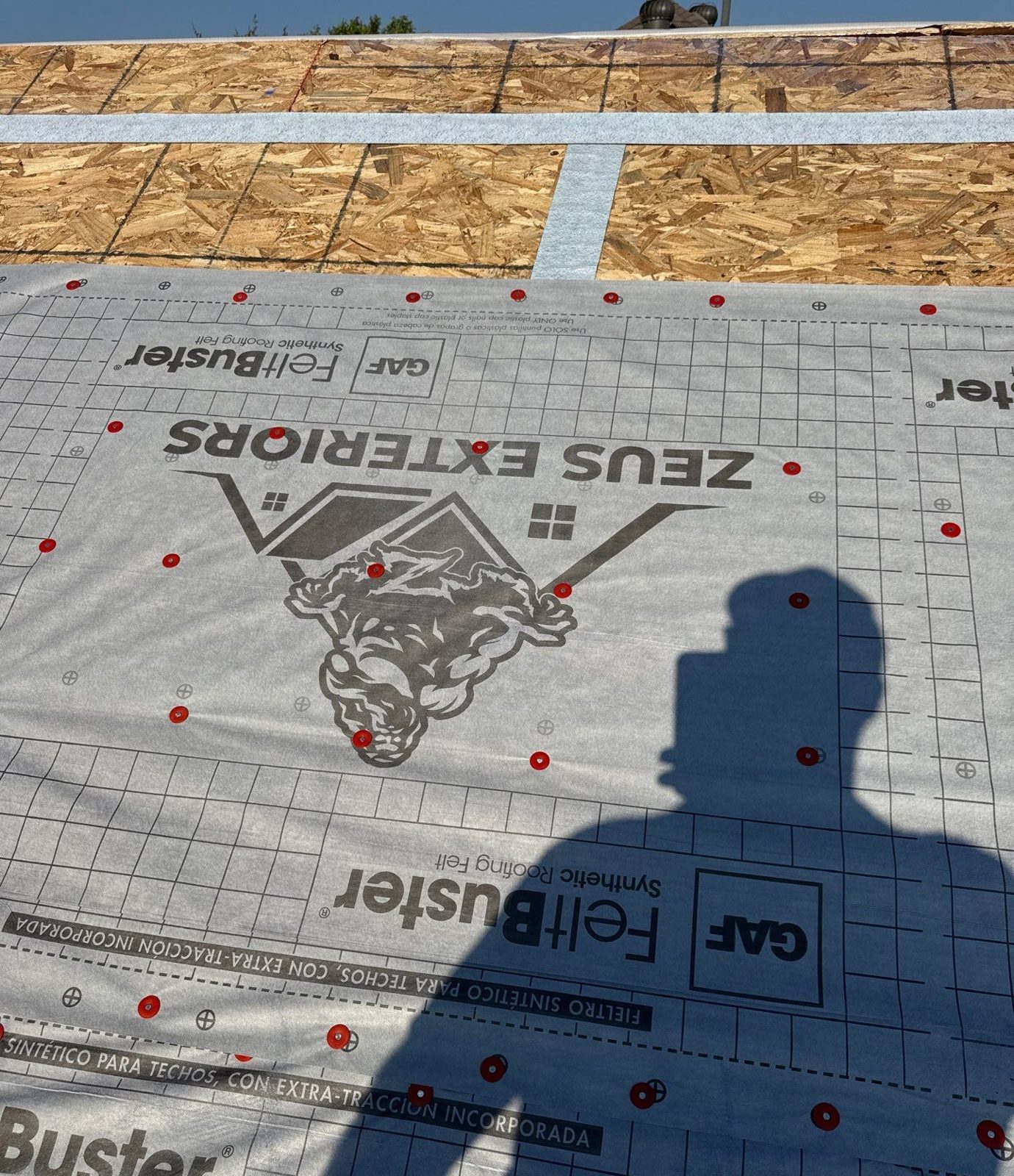
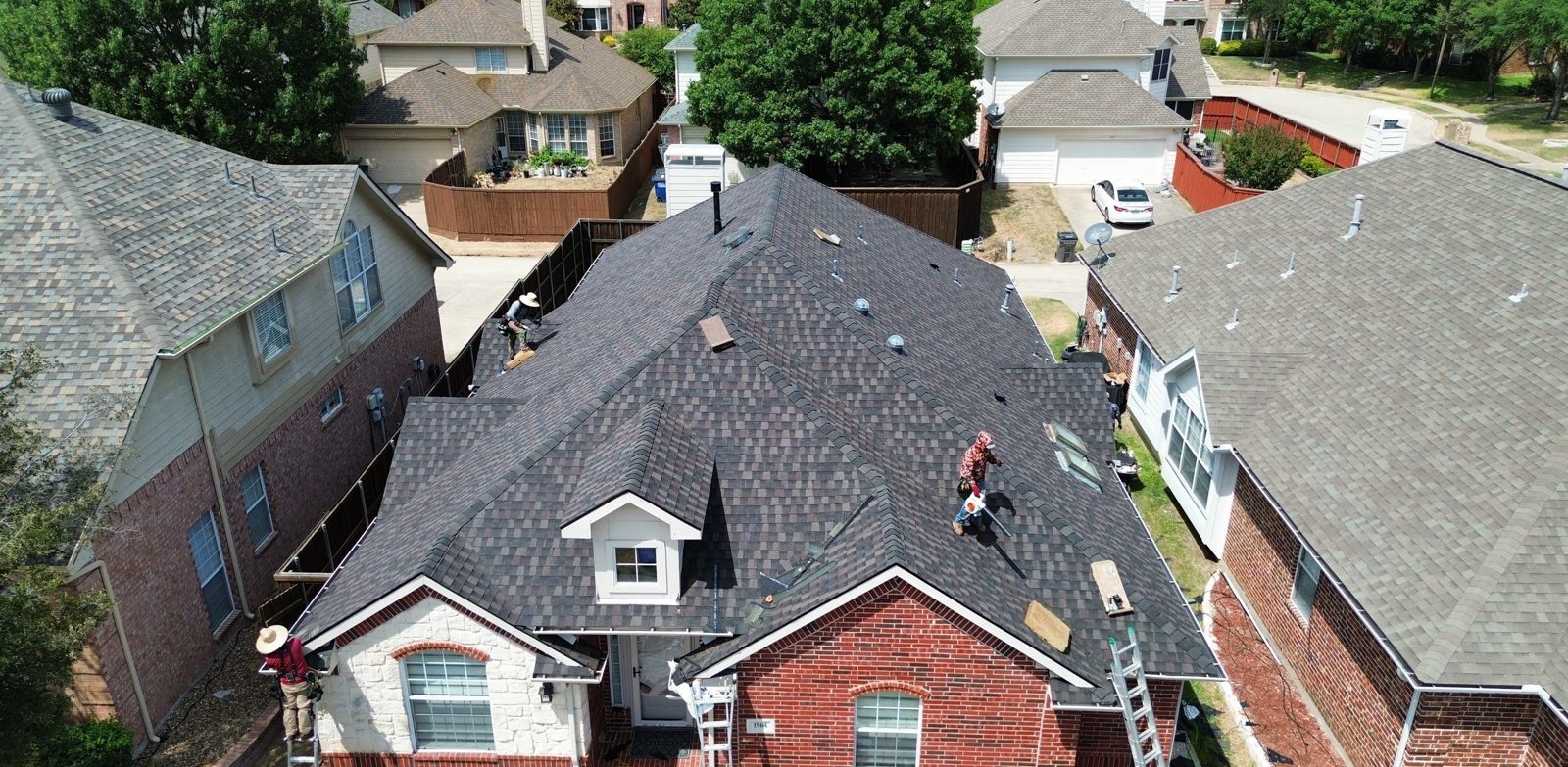
This Allen, TX home received its IBHS FORTIFIED certificate at the FORTIFIED Roof level.
Frequently asked questions
What is a FORTIFIED Roof?
A roof installed to the IBHS FORTIFIED Home standard: sealed roof deck, ring-shank nails in an enhanced pattern, stronger edges with a wider drip edge and adhered starter, and a tested, wind-rated roof cover. It's verified by an independent evaluator and certified by IBHS.
Who issues the FORTIFIED certificate?
IBHS. After the independent FORTIFIED evaluator submits the photos and paperwork, IBHS reviews it and issues a designation certificate. The evaluator delivers it to the homeowner. It lasts 5 years.
Do Texas insurers give a discount for a FORTIFIED Roof?
Some may. TDI Bulletin B-0008-26 (September 2026) encourages Texas home insurers to offer premium discounts for FORTIFIED homes, but it does not require a discount or set an amount. Ask your insurer what credit it offers for a FORTIFIED certificate.
Is a FORTIFIED Roof the same as a Class 4 impact-resistant roof?
No. Class 4 is a rating for the shingle. FORTIFIED is a standard for the whole roof system: deck, nails, edges and cover. The optional Hail Supplement adds a requirement for shingles rated Good or Excellent by IBHS. For homeowners who want it, Zeus offers Class 4 impact-rated shingles: Armor Shield or UHDZ.
Can I get a FORTIFIED Roof on my existing home?
Yes. Most FORTIFIED Roofs are re-roofs. The old roofing comes off, the deck is checked (7/16 inch minimum) and the FORTIFIED steps are done during the new install.
Does the designation transfer if I sell my home?
Yes. The certificate is issued to the property address, so it stays with the home for the rest of its 5-year term.
How is a FORTIFIED Roof priced?
Pricing depends on your roof. Call (469) 771-0988 for a free inspection and quote. Zeus books and pays for the FORTIFIED evaluation.
What is the difference between a FORTIFIED roof and a regular roof?
A regular re-roof meets local code. A FORTIFIED Roof adds beyond-code upgrades (sealed deck, ring-shank nails in a tighter pattern, wider drip edge with adhered starter, wind-rated cover and wind- and rain-resistant vents) and is verified by an independent evaluator and certified by IBHS.
How do I get a FORTIFIED certificate?
Hire a certified FORTIFIED Roofer like Zeus Exteriors. Zeus books a certified FORTIFIED evaluator before the old roof comes off and pays the evaluation fee, so you don't pay it separately. The evaluator documents the work, submits it to IBHS, and delivers the certificate once IBHS approves it. Without that evaluator documentation, there is no certificate.
How do I know a roofer is really FORTIFIED certified?
Check the IBHS FORTIFIED provider directory. Zeus Exteriors is listed there with Michael Sicilian as the provider.
Does a FORTIFIED Roof lower my insurance in Texas?
It may. Ask your insurer about FORTIFIED discounts before and after the job. TDI Bulletin B-0008-26 encourages Texas insurers to offer them but sets no amount, so credits vary by company.
Will insurance pay for a FORTIFIED upgrade on a claim re-roof?
Some insurance companies will pay for the FORTIFIED upgrade as an incurred cost on an insurance claim, but coverage isn't guaranteed. Check with your insurance company before the project starts.
Who books and pays the FORTIFIED evaluator?
Zeus Exteriors does. Zeus books the certified FORTIFIED evaluator and pays the evaluation fee, so homeowners don't pay it separately.
How long does the FORTIFIED process take?
In DFW, the typical FORTIFIED timeline is 6 to 8 weeks.
How long does a FORTIFIED certificate last?
Five years. You can renew it with a re-designation inspection near the end of each term.
Is a FORTIFIED Roof worth it in North Texas?
For many DFW homes, yes: the upgrades target the ways roofs fail in high wind, and the certificate is proof you can show insurers and buyers. The value depends on your home and your insurer.
Roof Replacement · Storm Damage & Insurance Claims · Roof Repair · Free Inspection
FORTIFIED, FORTIFIED Roof and FORTIFIED Home are trademarks of IBHS. Sources: fortifiedhome.org, Texas Department of Insurance. Zeus Exteriors in the FORTIFIED provider directory.
Get a free FORTIFIED Roof inspection
Call (469) 771-0988 or send the form to request your free inspection.